Coolant Is Not Forever: The Hidden Chemistry Destroying Your Engine From the Inside Out
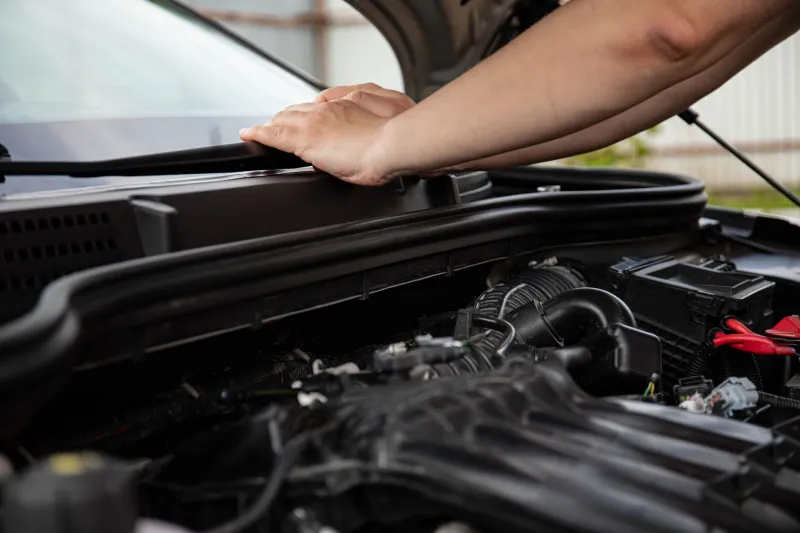
There is a particular kind of automotive complacency that mechanics encounter every week. A driver notices the coolant reservoir is low, tops it off with whatever is available at the nearest gas station, and moves on. The engine runs. The temperature gauge stays in the normal range. Everything seems fine.
Except it is not fine. Not even close.
Coolant — also called antifreeze — is one of the most chemically complex fluids in your vehicle, and it is one of the least respected. Unlike motor oil, which has earned a reputation for requiring regular attention, coolant tends to be treated as a permanent fixture. The assumption is that it simply sits in the system, doing its job indefinitely. That assumption has cost American drivers billions of dollars in engine repairs.
What Coolant Actually Does — And Why Chemistry Matters
At its most basic level, coolant transfers heat away from the engine block and dissipates it through the radiator. It also prevents freezing in winter conditions and raises the boiling point of the liquid in your cooling system above what plain water could achieve. These are the functions most drivers understand.
What is less commonly known is that modern coolant formulations contain a sophisticated package of chemical additives — corrosion inhibitors, pH stabilizers, and anti-foaming agents — that protect the metal surfaces inside your engine, radiator, water pump, and heater core. These additives do not last forever. Over time, they deplete. And when they do, the fluid that was once protecting your engine begins attacking it.
Corroded aluminum components, pitted cylinder walls, deteriorating gaskets, and clogged radiator passages are all downstream consequences of coolant that has outlived its additive package. The damage is gradual, invisible, and expensive.
The Mixing Problem That No One Warns You About
Walk into any auto parts store in the country and you will find coolant products in at least three distinct color categories: green, orange, and pink or yellow. These colors correspond to fundamentally different chemical formulations — Inorganic Additive Technology (IAT), Organic Acid Technology (OAT), and Hybrid OAT (HOAT), among others.
They are not interchangeable. Not even close.
Mixing coolant types is one of the most common mistakes drivers make, and it is one that mechanics rarely catch until the damage has already been done. When incompatible formulations combine, the chemical reaction can cause the additives to fall out of suspension, creating a silica gel that clogs small passages in the radiator and heater core. The result is reduced cooling efficiency — exactly when you can least afford it.
Vehicle manufacturers are specific about which coolant type their systems require. A late-model domestic truck may call for HOAT, while a European import might require a phosphate-free OAT formula. Using the wrong product — or mixing an unknown combination over years of casual top-offs — creates a chemistry problem that no flush can fully undo.
Warning Signs That Appear Before the Catastrophe
The good news is that degraded or contaminated coolant almost always announces itself before it destroys something irreplaceable. The challenge is knowing what to look for.
Discoloration and cloudiness. Fresh coolant is clear and vibrantly colored. Coolant that has oxidized or become contaminated with oil or combustion gases turns brown, rusty, or milky. A milky appearance in particular suggests oil contamination — often a sign that a head gasket is beginning to fail, allowing engine oil and coolant to mix. This is not a condition to defer.
A sweet smell from the engine bay. Ethylene glycol, the primary ingredient in most coolants, has a distinctly sweet odor. If you detect this smell — especially from the heating vents or near the engine after a drive — there is likely a slow leak somewhere in the system. Coolant leaks do not resolve on their own.
White smoke from the exhaust. On a cold morning, brief white exhaust vapor is normal as condensation burns off. Persistent white smoke, however, indicates that coolant is entering the combustion chamber — again, a strong indicator of head gasket or intake manifold gasket failure.
Unexplained temperature fluctuations. If your temperature gauge climbs and then drops erratically, or if the heater blows cold air intermittently, air pockets in the cooling system — often caused by low coolant or a failing pressure cap — may be disrupting flow.
Rust or scale deposits. If you open the coolant reservoir and see particulate matter or a brownish film coating the interior, the corrosion inhibitors have long since been exhausted. The system needs a thorough flush, not a top-off.
The Flush Schedule That Actually Prevents Failure
Manufacturer recommendations for coolant service vary significantly by vehicle and coolant type. Traditional green IAT coolant typically requires replacement every two years or 30,000 miles. Extended-life OAT and HOAT formulations may be rated for five years or 150,000 miles under ideal conditions. However, those intervals assume the system was properly filled with the correct coolant from the start and has never been mixed or contaminated.
For most drivers operating in the real world — where a previous owner may have used an unknown coolant, where top-offs have happened with whatever was on the shelf — a more conservative approach is warranted:
- Inspect the coolant annually. Use coolant test strips, available at any auto parts retailer, to check the pH and freeze protection level. A reading outside the acceptable range means the additive package is depleted.
- Perform a complete flush every three years regardless of mileage if your vehicle's service history is uncertain. A flush replaces not just the fluid but also removes accumulated scale and corrosion from the system.
- Never mix coolant types. If you are unsure what is currently in the system, flush it completely and refill with the manufacturer-specified formulation. Your owner's manual or a trusted mechanic can confirm the correct product.
- Check the pressure cap. The radiator or reservoir cap maintains system pressure, which raises the boiling point of the coolant. A worn cap that cannot hold pressure effectively reduces the margin before overheating occurs. Caps are inexpensive and often overlooked.
The Repair Costs Nobody Wants to Discuss
When coolant maintenance is deferred long enough, the consequences arrive quickly and without mercy. A warped cylinder head — caused by repeated overheating — can cost between $1,500 and $4,000 to repair, depending on the vehicle. A blown head gasket, if caught early, may be addressed for $1,000 to $2,000. Left unattended until coolant has contaminated engine oil, the same failure can escalate to full engine replacement, which routinely exceeds $5,000 on modern vehicles.
A cooling system flush, by contrast, typically costs between $100 and $200 at a reputable shop. The arithmetic is not complicated.
A Final Word on Vigilance
At Carshen Garage, we see coolant-related failures regularly — and nearly all of them were preventable. The drivers who avoid these repairs are not doing anything exotic. They are simply paying attention to a fluid that most people ignore, using the right product for their vehicle, and following a consistent service schedule.
Your engine operates within precise temperature tolerances. The fluid that maintains those tolerances deserves the same respect as your oil, your brakes, and your tires. Treat it accordingly, and you will almost certainly never face the repair bills that come when it is treated as an afterthought.